Electric vehicles continue to evolve, but 2026 is bringing renewed attention to a different type of electrified vehicle: the extended-range electric vehicle, commonly called an EREV. Instead of relying only on a large battery or using a gasoline engine to directly power the wheels like many traditional hybrids, an EREV is designed around electric propulsion while carrying an onboard engine-generator that can supply electricity when the battery becomes depleted.
That combination is attracting automakers that want to offer electric driving without making long-distance travel completely dependent on public charging. Recent announcements from Hyundai, Ram, Scout Motors, and other manufacturers suggest that extended-range EVs could become an important bridge between plug-in hybrids and fully battery-electric vehicles.
For drivers who like the instant response and quiet operation of an EV but remain concerned about charging access, towing, or long road trips, EREVs could become one of the most interesting automotive trends to watch.
What Is an Extended-Range Electric Vehicle?
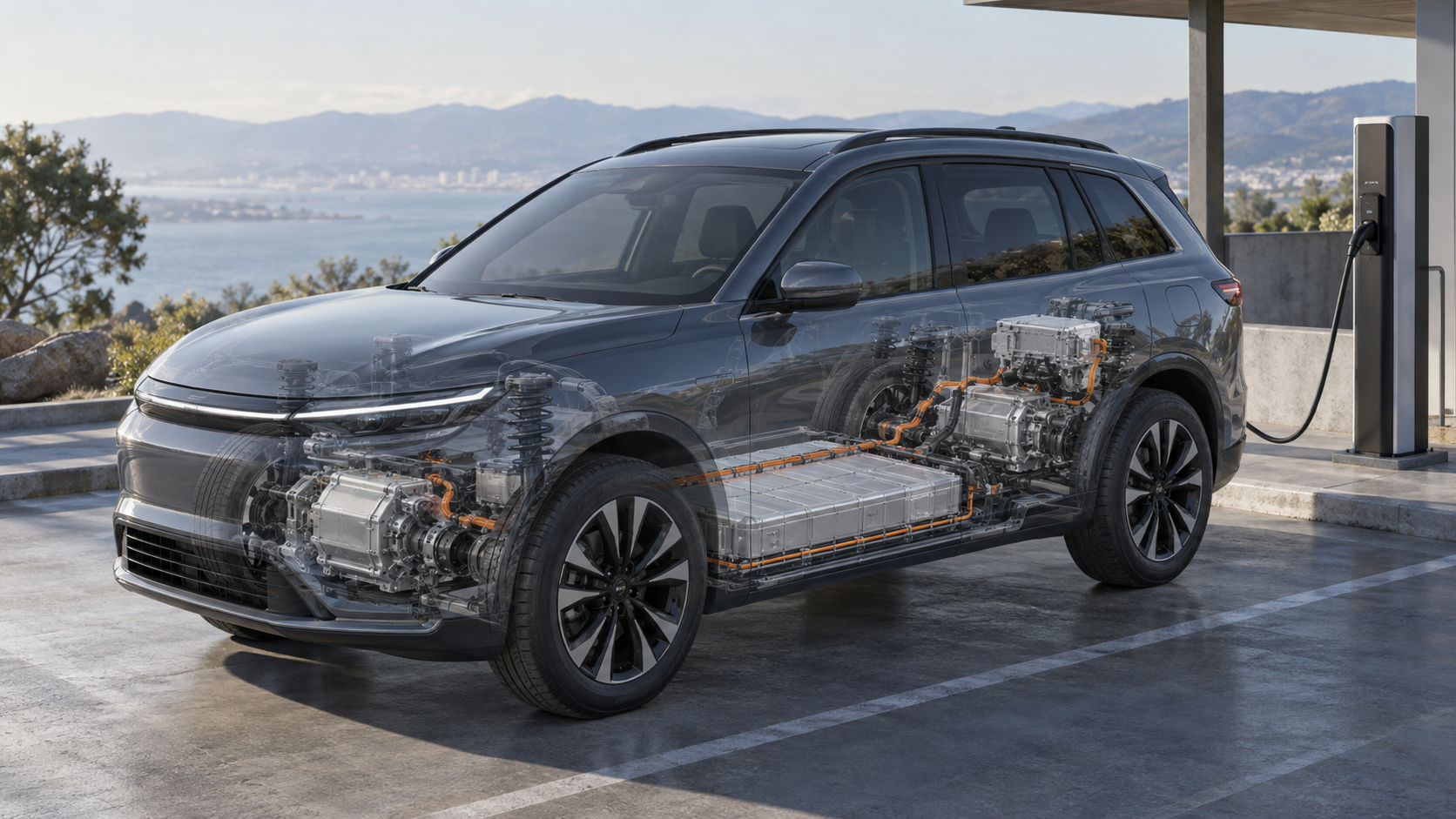
An EREV combines a rechargeable battery, electric traction motor, and internal-combustion engine. The key difference is the role of that engine. In a typical range-extended configuration, the electric motor provides the propulsion, while the gasoline engine operates primarily as a generator to produce electricity.
The U.S. Department of Energy’s Alternative Fuels Data Center explains that series plug-in hybrids use the electric motor to drive the wheels while the combustion engine generates electricity. Vehicles using this type of architecture are often described as extended-range electric vehicles.
This means an EREV can be plugged in and driven on stored battery power for everyday trips. When additional range is needed, the onboard generator can begin producing electricity, reducing the need to stop immediately at a charging station.
Drivers interested in the wider EV market can also read our guide to electric vehicle trends in 2026.
Why EREVs Are Getting Attention in 2026
One reason EREVs are gaining momentum is that they address several concerns at once. Battery-electric vehicles can be excellent for daily transportation, but long trips, towing, cold-weather driving, and limited charging infrastructure can still require additional planning.
An extended-range vehicle offers another approach. Drivers may complete most routine trips using electricity while retaining an onboard source of electricity for longer journeys. That can be especially attractive in large SUVs and pickup trucks, where extremely large battery packs can add weight and cost.
Recent industry activity shows how quickly interest is growing. Car and Driver reported in 2026 that Hyundai and Genesis are preparing extended-range powertrains for upcoming SUVs. Meanwhile, a growing list of future EREVs is being developed for the U.S. market.
Hyundai Is Preparing a Santa Fe EREV
Hyundai added major momentum to the trend during its 2026 CEO Investor Day. The company confirmed that the first-ever Santa Fe EREV is scheduled to arrive in the first half of 2027 and is expected to target more than 600 miles of total driving range.
According to Hyundai’s official announcement, the Santa Fe EREV will be built at Hyundai Motor Manufacturing Alabama. Hyundai says the vehicle is intended to provide an EV-like daily driving experience while reducing concerns about charging and total range.
The manufacturer also says its upcoming EREV technology can use less battery capacity than a comparable full EV. That could be significant because batteries remain among the largest and most expensive components in an electric vehicle.
Ram Is Bringing EREV Technology to Pickups
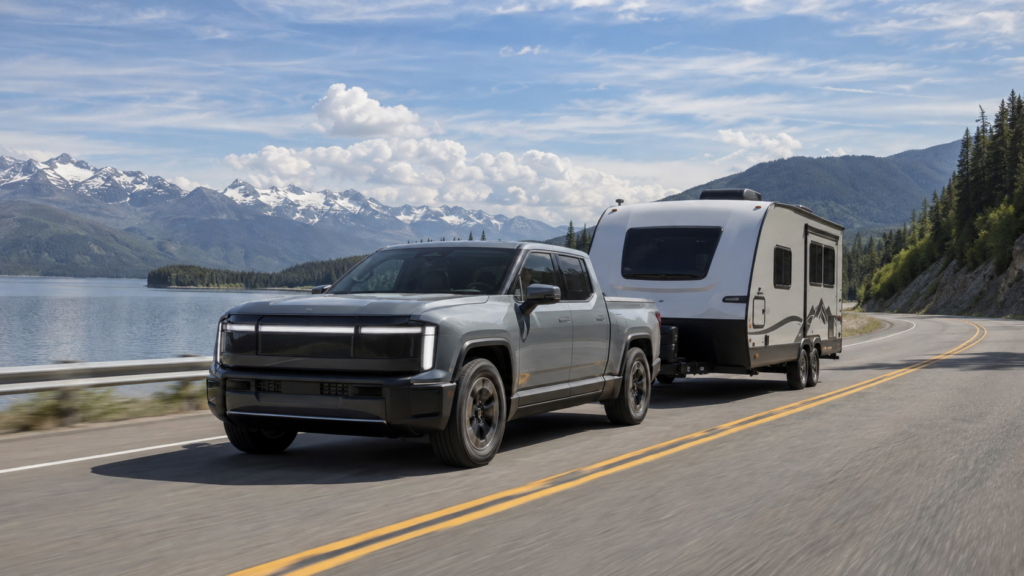
Range-extender technology may be particularly useful in pickup trucks. Towing can substantially increase energy consumption, which means a battery-electric truck can require more frequent charging when pulling a heavy trailer.
Ram is taking a different approach with the Ram 1500 REV range-extended pickup. Ram says the truck pairs a 92-kWh battery pack with a 130-kW generator powered by a 3.6-liter gasoline engine. The company currently projects up to 690 miles of total driving range and a maximum towing capacity of up to 14,000 pounds, although final real-world results will depend on configuration, conditions, payload, and driving behavior.
The concept highlights one of the strongest potential uses for EREVs: allowing electric motors to handle propulsion while providing a second energy source for demanding work or longer journeys.
Scout Says Buyers Are Choosing the Range Extender
Scout Motors provides another indication that consumers are interested in the idea. The company’s upcoming Traveler SUV and Terra pickup will be offered in battery-electric and Harvester range-extender configurations.
Scout says its Harvester system uses a gasoline-powered generator that recharges the vehicle’s high-voltage battery rather than mechanically driving the wheels. The company currently projects approximately 150 miles of all-electric range and more than 500 miles of combined range.
Interest has been notable. In March 2026, Scout reported that more than 85 percent of its reservations were for Harvester-equipped models. The company later said first customer deliveries are anticipated to begin in 2028.
EREV vs. Hybrid vs. Plug-In Hybrid
The growing number of electrified powertrains can make vehicle shopping confusing. A conventional hybrid usually has a relatively small battery and does not need to be plugged in. Its engine and electric motor work together to improve efficiency.
A plug-in hybrid, or PHEV, has a larger rechargeable battery and can usually drive a limited distance using electricity alone. Depending on the design, the gasoline engine may also directly help drive the wheels.
An EREV generally places greater emphasis on electric propulsion. The battery is intended to handle substantial everyday driving, while the combustion engine functions mainly or entirely as an electricity generator. However, manufacturers may use different engineering layouts and marketing terms, so shoppers should examine how each specific model actually operates.
For a broader look at technologies shaping tomorrow’s cars, see our article about software-defined vehicles and OTA updates.
Potential Benefits for Everyday Drivers
The biggest advantage of an extended-range EV is flexibility. A driver with home charging could complete many daily commutes on electricity, potentially leaving the gasoline generator unused for routine travel. On a road trip, the generator provides another way to continue traveling when charging is unavailable or inconvenient.
- Electric daily driving: Many routine trips may be completed primarily on battery power.
- Long-distance flexibility: The onboard generator can extend the vehicle’s usable driving range.
- Smaller battery potential: Some EREVs can use less battery capacity than similarly sized long-range BEVs.
- Useful for trucks and SUVs: Additional onboard energy can help address demanding travel and towing needs.
- Charging remains available: Owners can still plug in rather than relying entirely on gasoline.
These advantages help explain why InsideEVs has identified multiple range-extended models planned for the American market over the next several years.
EREVs Still Have Tradeoffs
Extended-range technology does not eliminate every compromise. An EREV must carry a battery, electric motors, fuel tank, engine, generator, exhaust components, and related hardware. That creates additional complexity compared with a battery-electric vehicle that does not have an internal-combustion engine.
The generator also means owners still need to consider engine-related maintenance. Oil, filters, fuel-system components, emissions equipment, and other parts may eventually require service even if the vehicle completes many miles on battery power.
Efficiency also depends on how owners use the vehicle. The Department of Energy notes that plugging in regularly is important for maximizing the electric benefits of plug-in vehicles. If an EREV is rarely charged and frequently relies on gasoline-generated electricity, its ownership experience will be different from that of someone who charges every night and uses the generator only occasionally.
What EREVs Could Mean for EV Batteries
EREVs could also change the conversation around battery size. Many long-range electric SUVs and trucks require very large battery packs because they must store enough electricity for every mile of a long journey.
A range extender gives engineers another option. Instead of installing the largest possible battery, manufacturers can potentially use a smaller pack sized for normal daily driving and rely on the generator for occasional long-distance needs.
That does not make battery development less important. Advances in energy density, charging speed, cost, and durability will continue benefiting every form of electrified transportation. Readers interested in upcoming battery technology can explore our article on solid-state battery cars.
Who Might Benefit Most From an EREV?
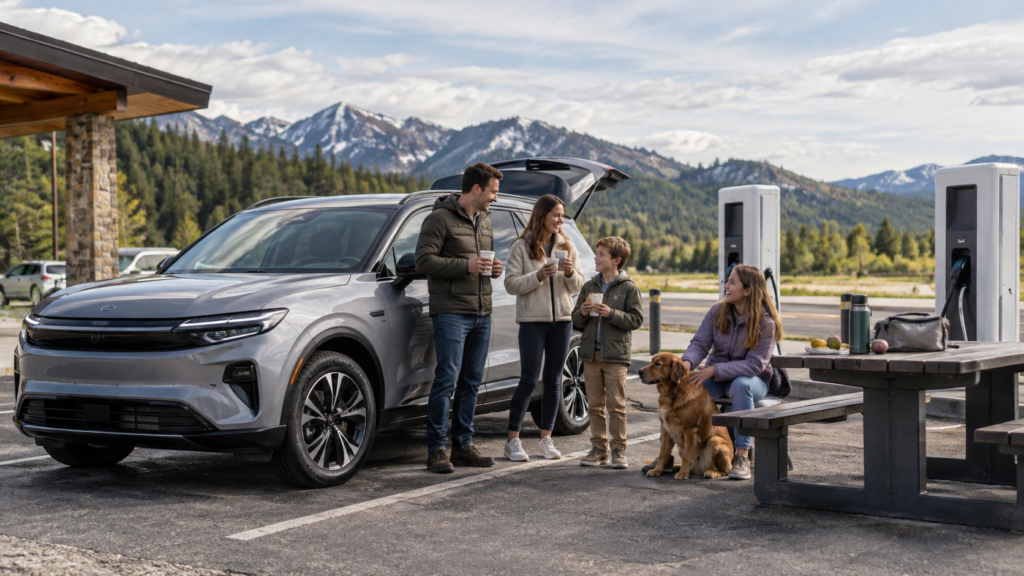
Extended-range EVs may make the most sense for drivers whose daily routines fit comfortably within the vehicle’s battery range but who occasionally need much more flexibility. This could include commuters who can charge at home, families taking long road trips, rural drivers traveling through areas with fewer chargers, and pickup owners who regularly tow.
On the other hand, drivers with reliable home charging and excellent public charging access may prefer the mechanical simplicity of a fully electric vehicle. Others may find a conventional hybrid more affordable or practical.
The right choice will depend on price, electric range, charging availability, fuel use, maintenance expectations, and how the vehicle is actually driven.
Are Extended-Range EVs the Next Big EV Trend?
EREVs are not a new invention, but 2026 is shaping up to be an important year for their return. Recent announcements from major automakers show that range-extender technology is being reconsidered as manufacturers search for practical ways to expand electrification across larger vehicles and more demanding driving situations.
The strongest sign may be the variety of companies pursuing the idea. Hyundai is preparing an EREV Santa Fe, Ram is applying the technology to a full-size pickup, and Scout plans to make its range-extender configuration a major part of its launch strategy.
EREVs will not replace every gasoline vehicle, hybrid, or battery EV. Instead, they add another option to an increasingly diverse market.
Final Thoughts
Extended-range electric vehicles combine the driving characteristics of an EV with the flexibility of an onboard generator. For drivers who can charge regularly but still want additional confidence during towing, road trips, or travel through areas with limited charging infrastructure, the concept has obvious appeal.
The next several years will show whether buyers embrace EREVs on a large scale. What is already clear in 2026 is that automakers are taking the technology seriously. As models from Hyundai, Ram, Scout, and others reach customers, extended-range EVs could become one of the most important new categories in the transition toward electrified transportation.