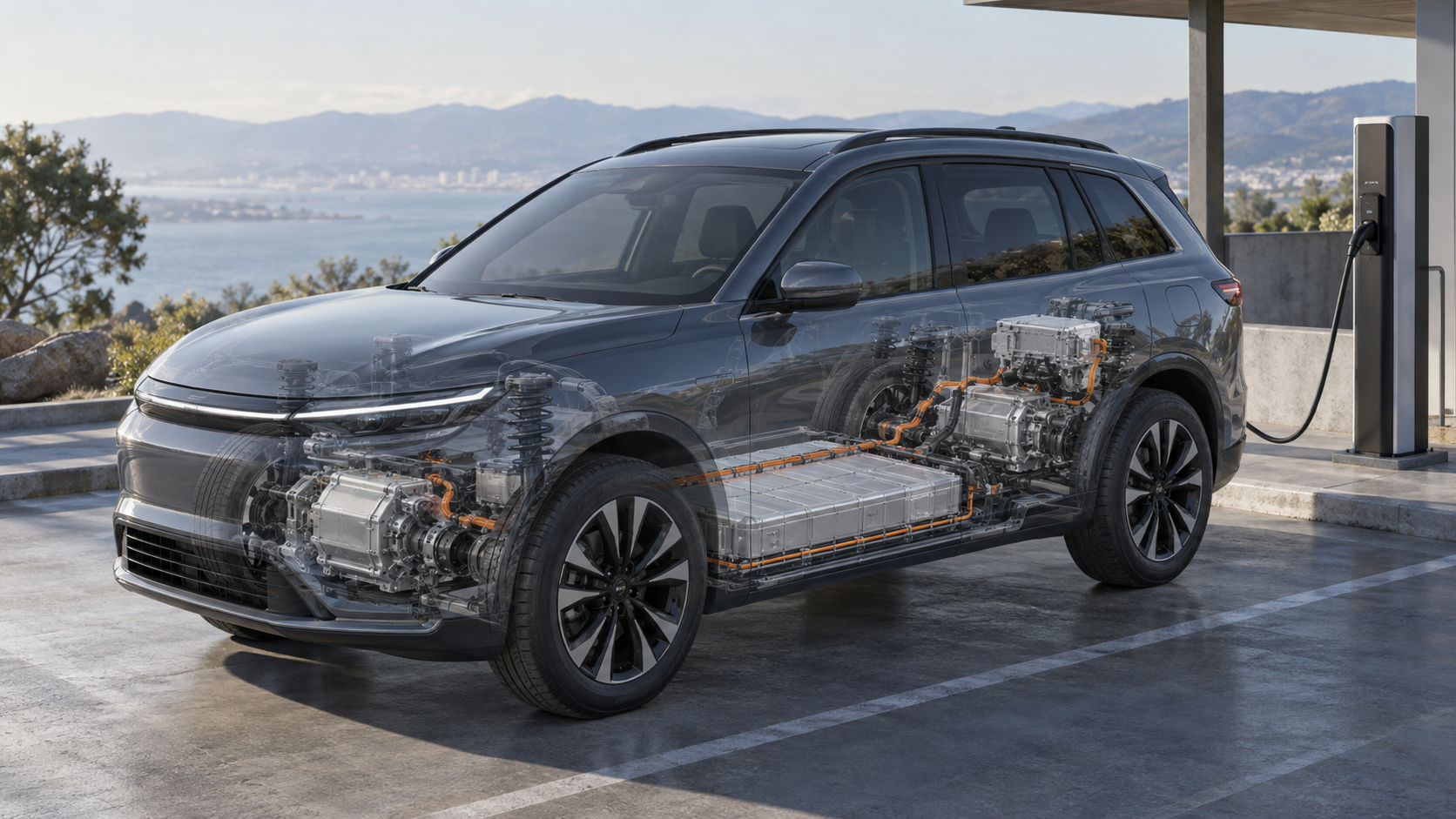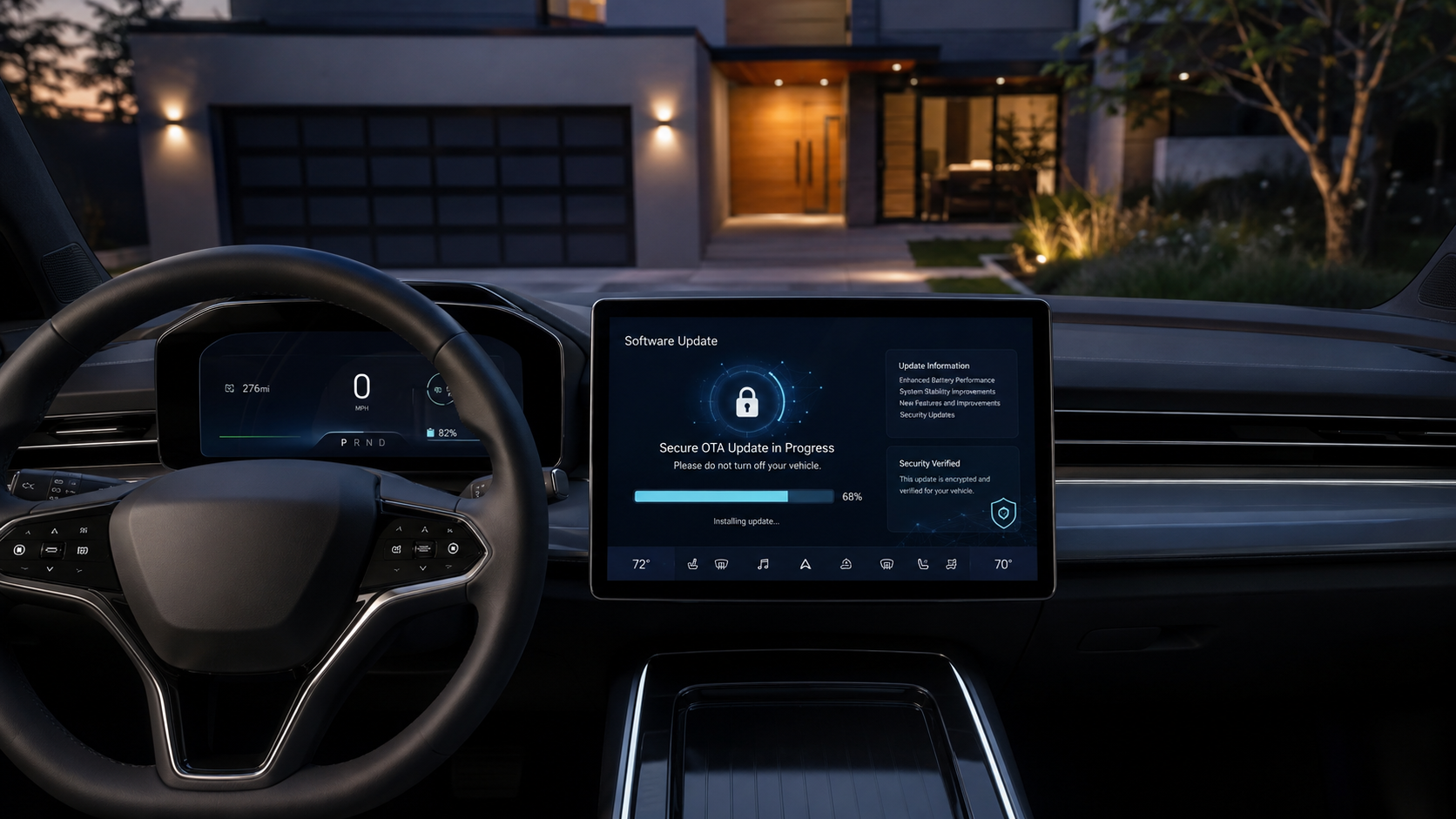
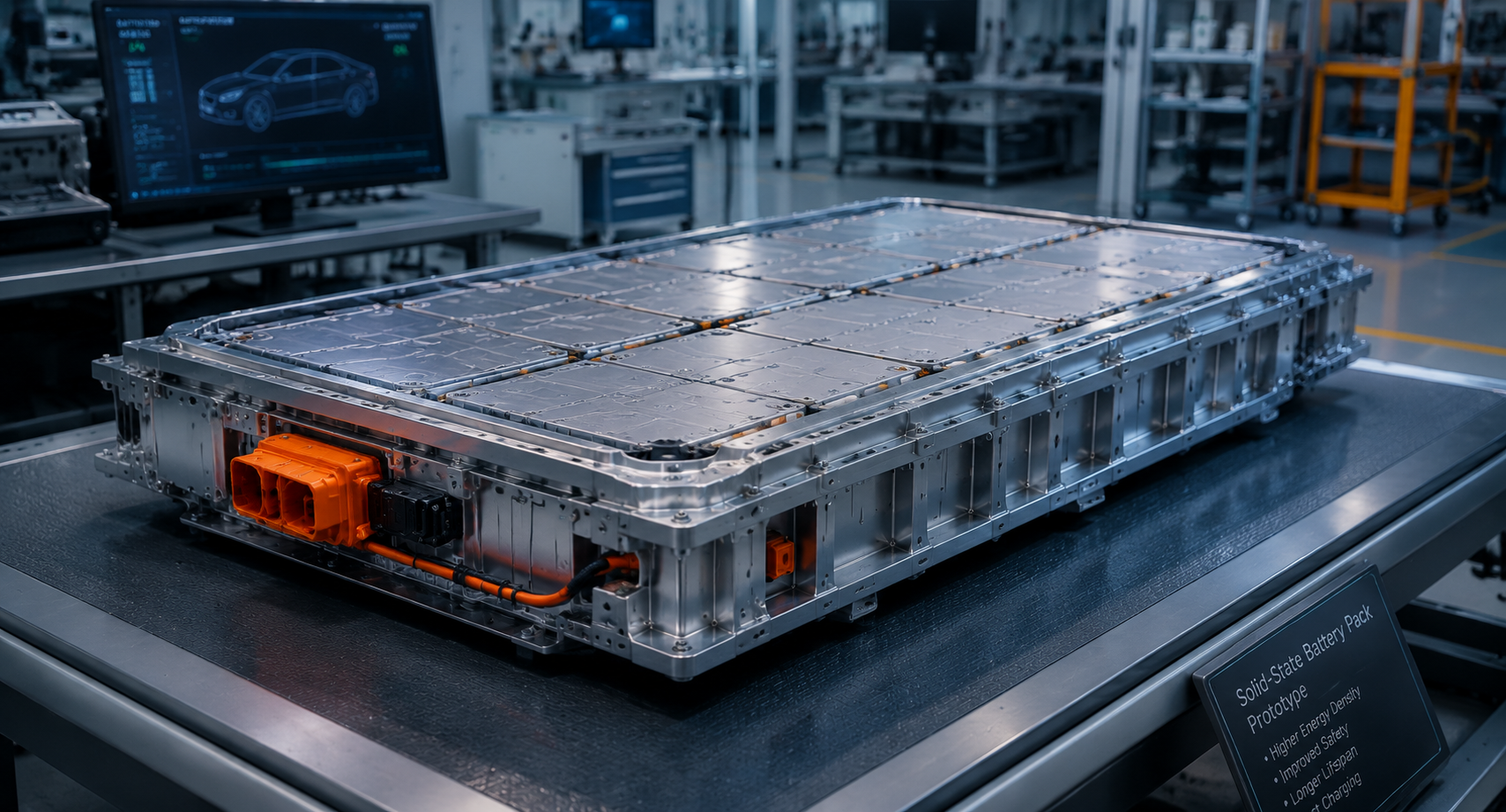
Electric vehicles (EVs) have evolved dramatically over the past decade. From extended driving ranges to faster charging, the progress is undeniable. But the next game-changer in EV technology could be solid-state batteries, which promise safer, longer-lasting, and more efficient energy storage. In this guide, we explore how solid-state batteries are poised to transform electric vehicles by 2026.
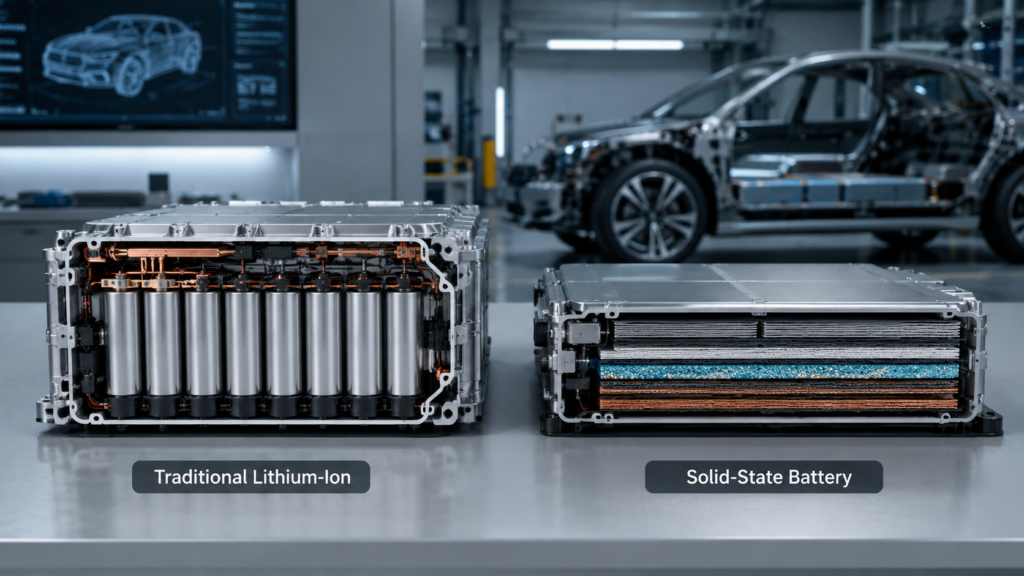
What Is a Solid-State Battery?
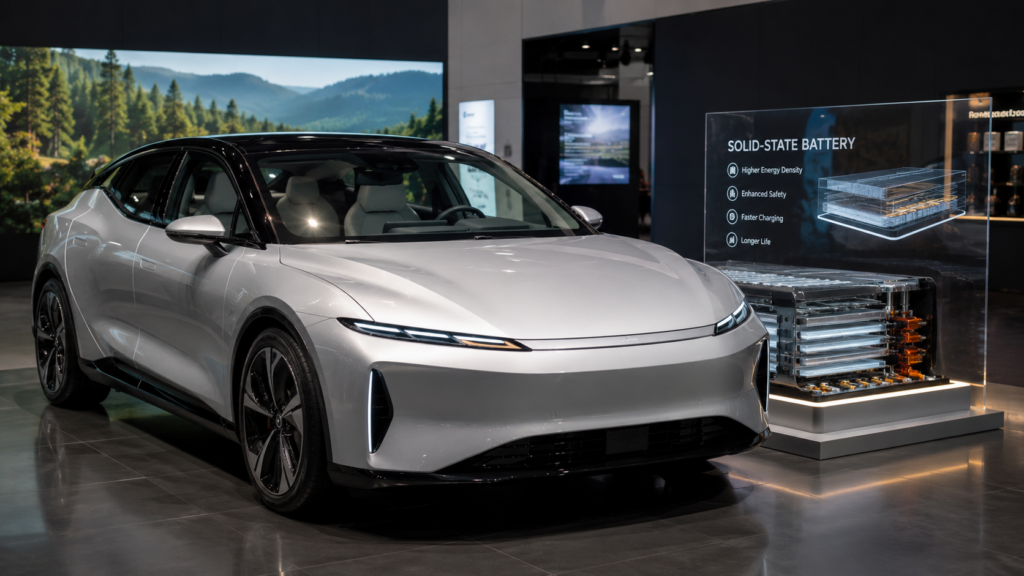
Most EVs currently rely on lithium-ion batteries with liquid electrolytes. Solid-state batteries replace the liquid electrolyte with a solid material, improving energy density, reducing fire risks, and enabling longer lifespans. This innovation could allow EVs to travel further on a single charge while charging faster and operating more safely.
Key Benefits of Solid-State Battery Cars
- Higher Energy Density: More energy in the same space means longer driving ranges.
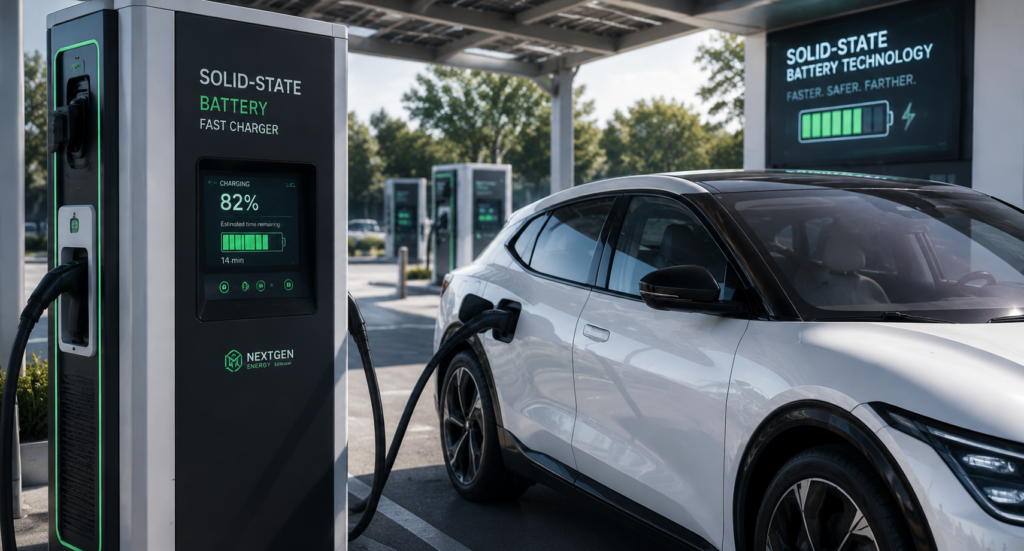
- Faster Charging: Some prototypes can charge from 10% to 80% in under 15 minutes.
- Improved Safety: Non-flammable solid electrolytes reduce fire risks.
- Longer Lifespan: Less degradation means the battery lasts more years.
- Lighter Weight: Potential for lighter and more efficient vehicles.
For more on EV innovations, see our guide on “The Evolution of Electric Vehicles in 2026: What to Expect”.
Top Companies Developing Solid-State Batteries
Several automakers and tech companies are racing to commercialize solid-state batteries:
- Toyota: Targets mass production in the mid-2020s. Official news page
- QuantumScape: Backed by Volkswagen, focused on high-performance solid-state EV batteries.
- Samsung SDI: Developing solid-state tech for EVs and other applications.
- CATL: Leading global battery maker testing solid-state prototypes.
- Solid Power: A U.S. company collaborating with Ford and BMW.
Challenges Ahead
Despite their promise, solid-state batteries face several obstacles before widespread adoption:
- High Manufacturing Costs: Advanced materials and processes remain expensive.
- Scalability: Mass production at competitive prices is still under development.
- Durability: Extreme temperatures and fast charging require more testing.
- Supply Chain: Some raw materials are rare or difficult to source.
Experts predict these challenges will gradually be overcome with ongoing research and investment. For updates, see Bloomberg Energy and Reuters Auto News.
When Will Solid-State EVs Arrive?
Analysts suggest limited availability by 2025–2026, with mass-market adoption in the late 2020s. Toyota has announced plans to launch EVs using solid-state batteries between 2027–2028.
Final Thoughts
Solid-state batteries have the potential to redefine electric vehicles. Longer ranges, faster charging, enhanced safety, and lighter vehicles are just the beginning. While challenges remain, the race is on, and 2026 may mark a turning point for EV technology.
Stay updated with the latest EV trends and technology by visiting Motor Car Driver Blog. Additional resources include U.S. Department of Energy and InsideEVs.