AI dash cams are becoming one of the most talked about automotive upgrades in 2026. Drivers now look beyond simple video recording and want smarter features that improve safety, convenience, and driving awareness. Modern dash cams now include artificial intelligence, cloud connectivity, real time alerts, driver monitoring, and automatic emergency recording.
As more vehicles include advanced driver assistance systems, AI-powered dash cams continue gaining popularity among commuters, rideshare drivers, fleet operators, and everyday motorists. These devices are no longer just accessories. They are becoming part of the modern driving experience.
If you enjoy reading about modern car technology, you may also want to explore our guide about latest automotive trends and other smart vehicle features shaping the future of driving.
Why AI Dash Cams Are Trending in 2026
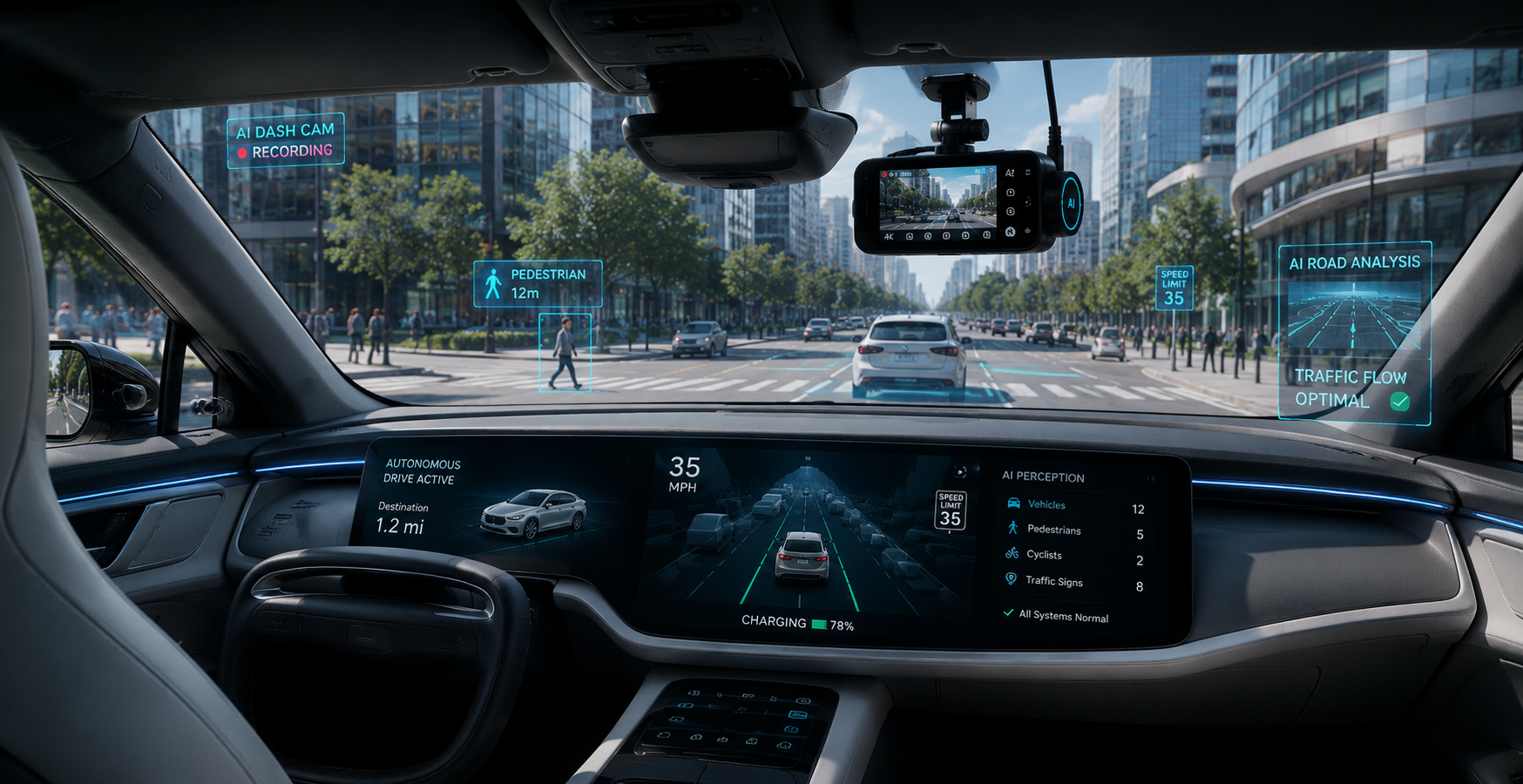
Traditional dash cams mainly focused on recording accidents. Today’s AI dash cams offer much more. Artificial intelligence allows these devices to recognize road hazards, monitor driver behavior, and send alerts in real time.
According to NHTSA, vehicle safety technology continues evolving rapidly as more manufacturers integrate advanced safety systems into modern vehicles. AI dash cams complement these systems by helping drivers stay alert and aware during daily driving.
Several factors are driving the popularity of AI dash cams in 2026:
- Improved road safety awareness
- Growing adoption of smart vehicles
- Rising insurance fraud concerns
- Better cloud storage technology
- Affordable AI-powered hardware
- Increased rideshare and delivery driving
Key Features Modern AI Dash Cams Offer
Modern AI dash cams include features that were once limited to luxury vehicles and commercial fleets. Drivers now have access to intelligent safety systems at affordable prices.
Driver Monitoring Systems
Some AI dash cams monitor driver attention using facial recognition and eye tracking. These systems detect signs of fatigue, distraction, or drowsiness. If the driver looks away from the road for too long, the camera may send an audio warning.
Organizations such as the Insurance Institute for Highway Safety continue emphasizing the importance of reducing distracted driving. AI monitoring systems may help reduce accidents caused by fatigue and phone use.
Lane Departure Warnings
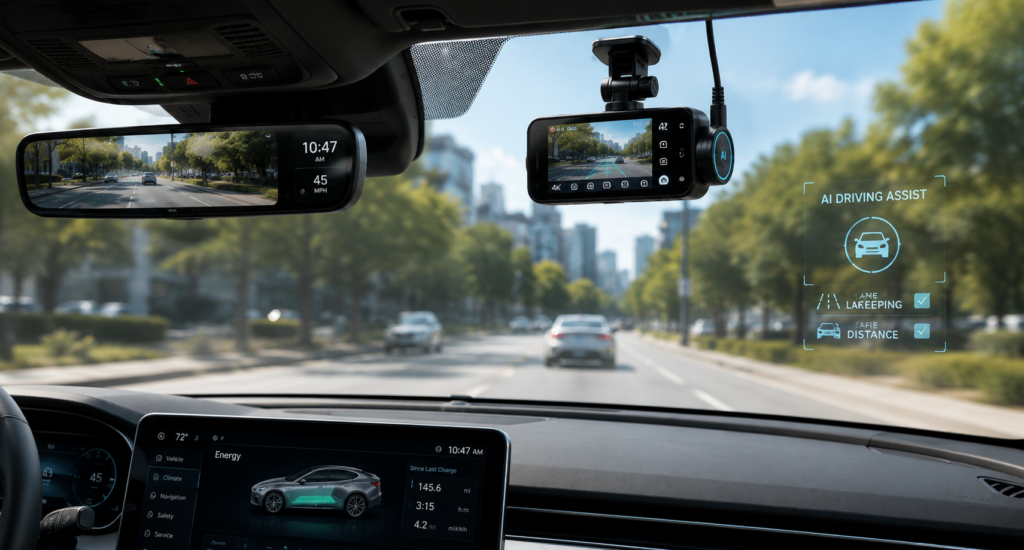
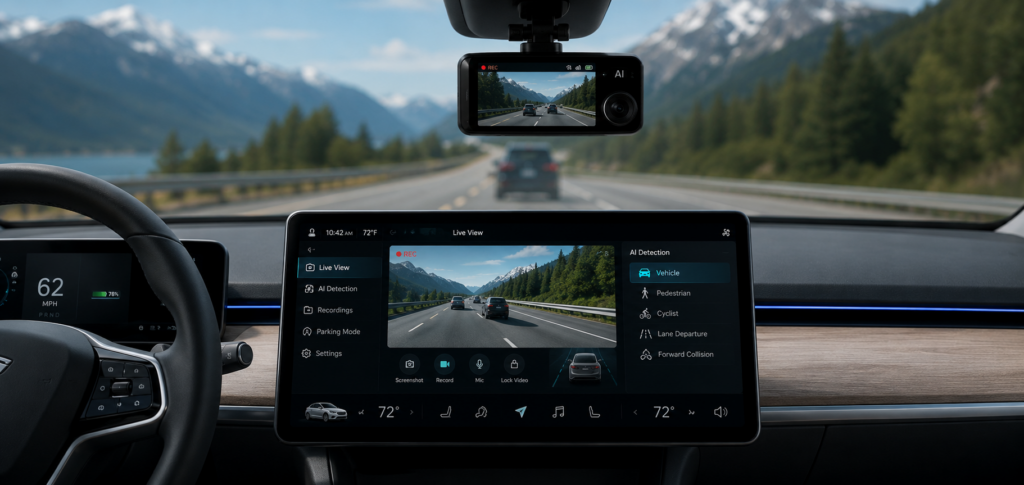
AI dash cams can detect lane markings and notify drivers if the vehicle drifts unexpectedly. This feature is especially useful during highway driving and long road trips.
Forward Collision Alerts
Some smart dash cams analyze traffic conditions and calculate vehicle distance in real time. If traffic suddenly slows down, the system may warn the driver about a possible collision.
Cloud Connectivity
Cloud connected dash cams automatically upload footage to secure online storage. Drivers can access recordings remotely through smartphone apps. This technology helps protect important footage even if the camera becomes damaged during an accident.
Voice Commands
Many 2026 dash cams support voice controls. Drivers can save recordings, take snapshots, or adjust settings without removing their hands from the steering wheel.
AI Dash Cams for Electric Vehicles
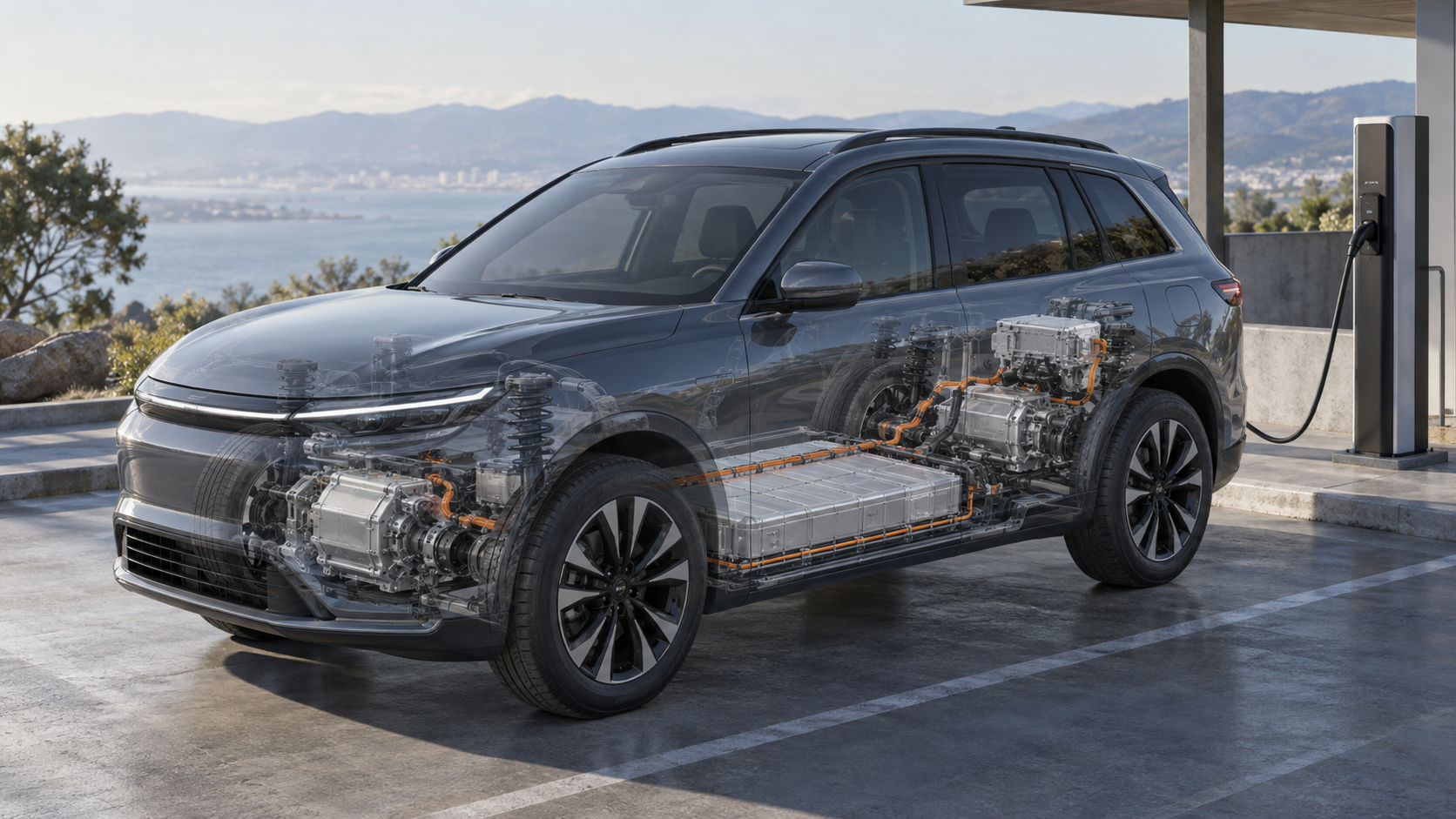
Electric vehicle owners are among the fastest growing groups adopting AI dash cam technology. EV drivers often prefer modern smart features that integrate with connected vehicle systems.
Companies like Tesla already include built-in camera systems and vehicle monitoring features. However, many drivers still install third-party AI dash cams for additional storage, wider viewing angles, and advanced alerts.
Some AI dash cams now support energy-efficient standby modes designed specifically for electric vehicles. These systems reduce battery drain while maintaining parking surveillance.
How AI Dash Cams Improve Driving Safety
AI technology continues improving road safety by helping drivers react more quickly to dangerous situations. Smart cameras use machine learning to identify road patterns, traffic movement, pedestrians, and sudden obstacles.
According to Consumer Reports, advanced safety technology continues becoming more accessible across different vehicle categories. AI dash cams represent one of the easiest upgrades drivers can install without purchasing a new vehicle.
These systems may improve safety by:
- Reducing distracted driving
- Providing evidence during accidents
- Helping drivers stay focused
- Monitoring unsafe driving behavior
- Recording road incidents automatically
- Improving fleet management efficiency
Drivers who frequently travel long distances may benefit from fatigue alerts and traffic monitoring features. Families with teenage drivers also use AI dash cams to monitor driving habits and encourage safer driving behavior.
Smart Dash Cams for Rideshare and Delivery Drivers
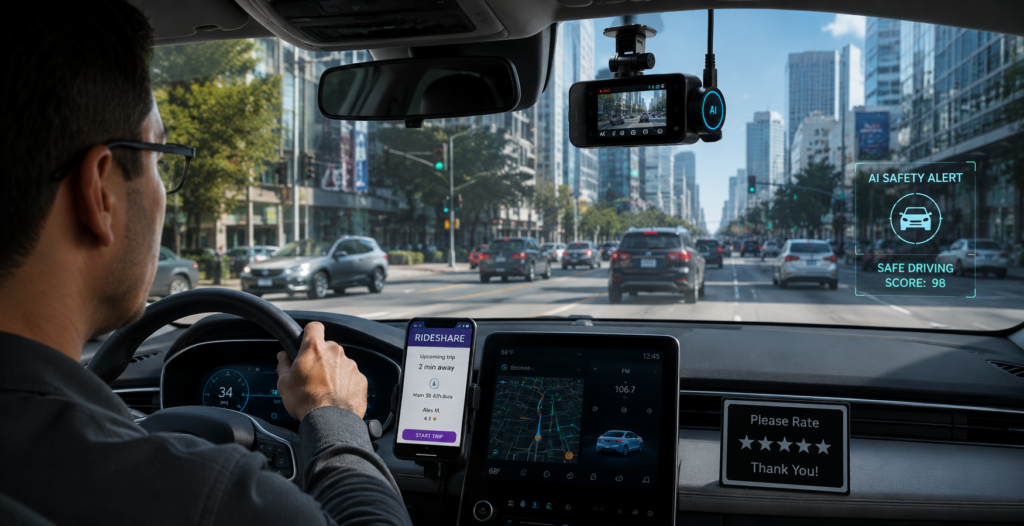
Rideshare and delivery drivers increasingly rely on AI dash cams for security and documentation. Modern systems offer dual facing cameras that record both the road and vehicle interior.
Companies such as Uber and other delivery platforms continue encouraging drivers to use dash cams for added safety and protection.
Some advanced AI systems can detect aggressive driving, hard braking, speeding, and unsafe following distances. Fleet operators use this data to improve driver training and reduce accident risks.
Privacy Concerns and AI Camera Regulations
As AI camera technology becomes more advanced, privacy discussions continue growing. Some drivers worry about facial recognition, audio recording, and cloud-based storage.
Drivers should always review local regulations before installing recording devices. Certain regions have restrictions regarding audio recording and windshield-mounted devices.
The Federal Communications Commission offers privacy and technology guidance that may help consumers understand digital data concerns connected to smart devices.
Most reputable manufacturers now include customizable privacy settings, encrypted storage, and optional cloud sharing controls to help protect user data.
What to Look for When Buying an AI Dash Cam
Choosing the right AI dash cam depends on driving habits, vehicle type, and desired features. Drivers shopping for smart dash cams in 2026 often compare video quality, storage options, app support, and AI functions.
Important features to consider include:
- 4K video recording
- Night vision support
- Wide angle camera coverage
- Cloud storage compatibility
- Parking surveillance
- AI safety alerts
- GPS tracking
- Voice control features
- Heat resistance for hot climates
Drivers interested in vehicle technology upgrades may also enjoy reading about smart car innovations and connected driving systems featured on Motor Car Driver.
The Future of Smart Driving Technology
AI dash cams represent only one part of the growing smart driving ecosystem. Vehicles in 2026 continue moving toward greater automation, connectivity, and predictive safety technology.
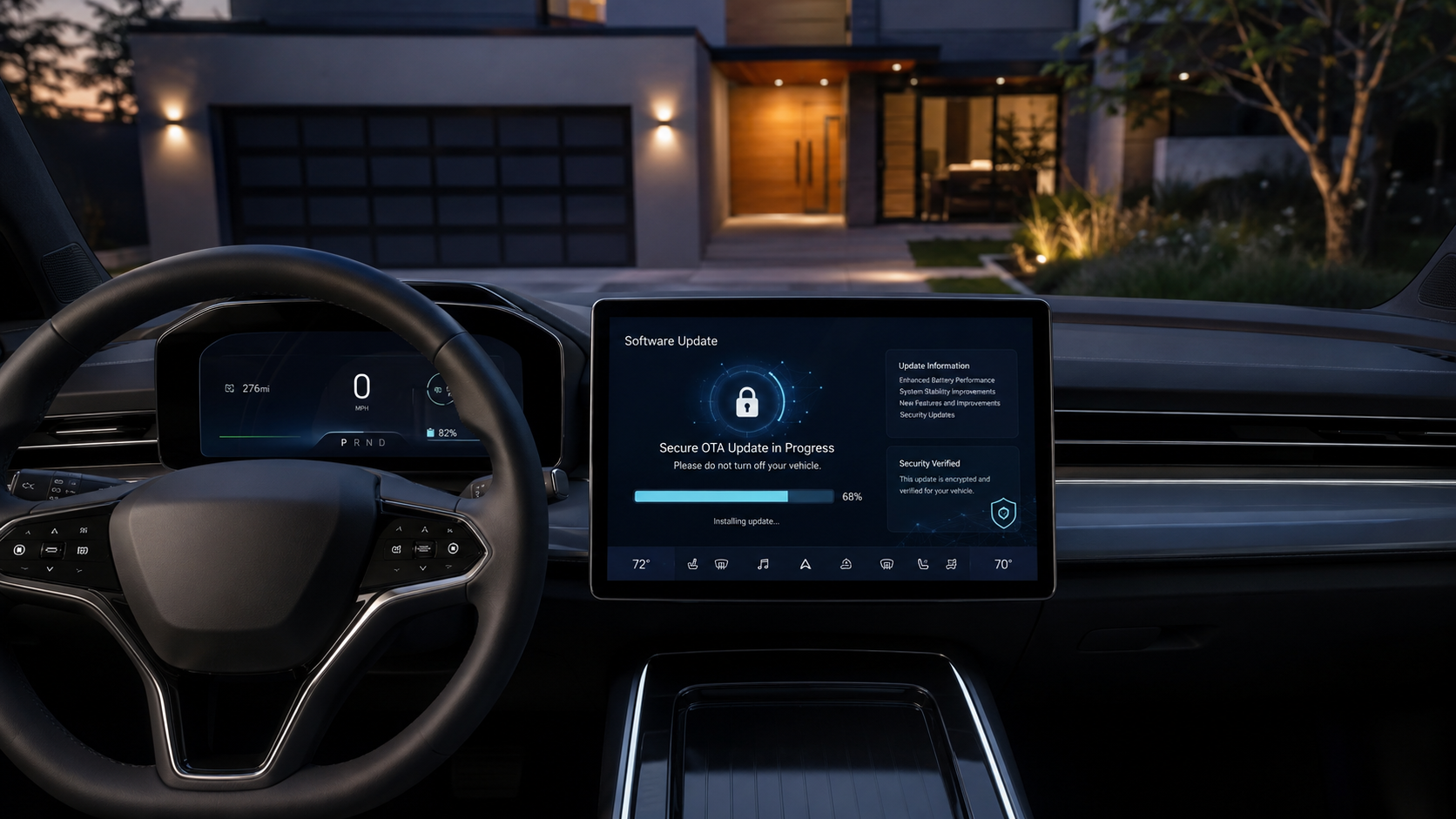
Automakers and technology companies are investing heavily in software-defined vehicles, artificial intelligence, and connected mobility systems. Future dash cams may eventually communicate directly with traffic systems, autonomous driving software, and emergency response networks.
Experts from World Economic Forum continue discussing how connected mobility and smart transportation systems may transform future cities and driving experiences.
As smart technology becomes more affordable, AI dash cams may soon become standard equipment in many new vehicles.
Final Thoughts
AI dash cams are quickly changing the way drivers approach road safety and vehicle monitoring in 2026. These smart systems combine artificial intelligence, real time alerts, cloud technology, and advanced video recording to create a safer and more connected driving experience.
Whether you drive an electric vehicle, manage a rideshare business, or simply want additional protection during daily commutes, AI-powered dash cams continue offering practical benefits for modern drivers.
As automotive technology evolves, smart cameras and connected safety systems may become an even bigger part of everyday driving. Keeping up with these trends helps drivers understand how technology continues reshaping the future of transportation.