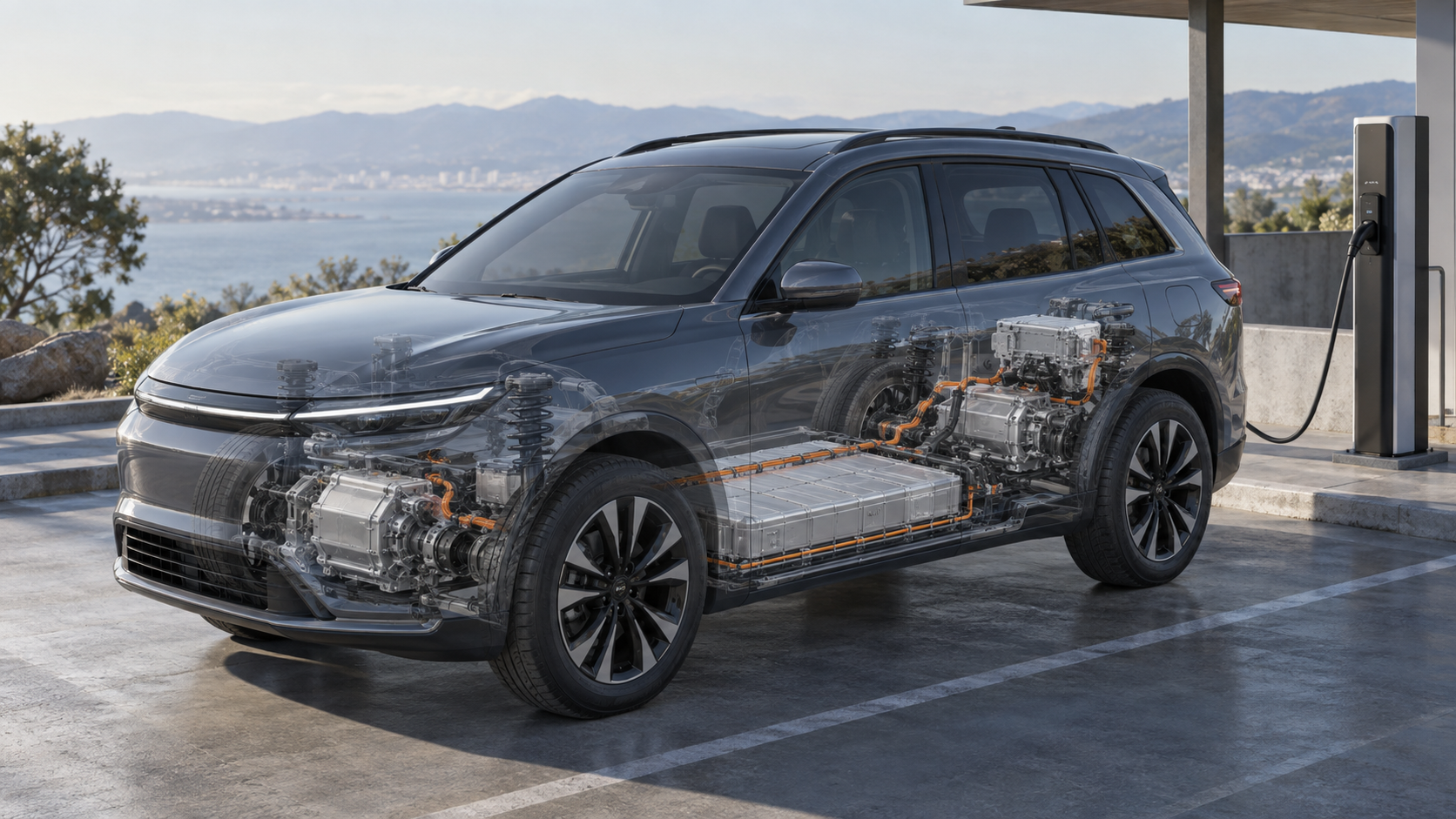
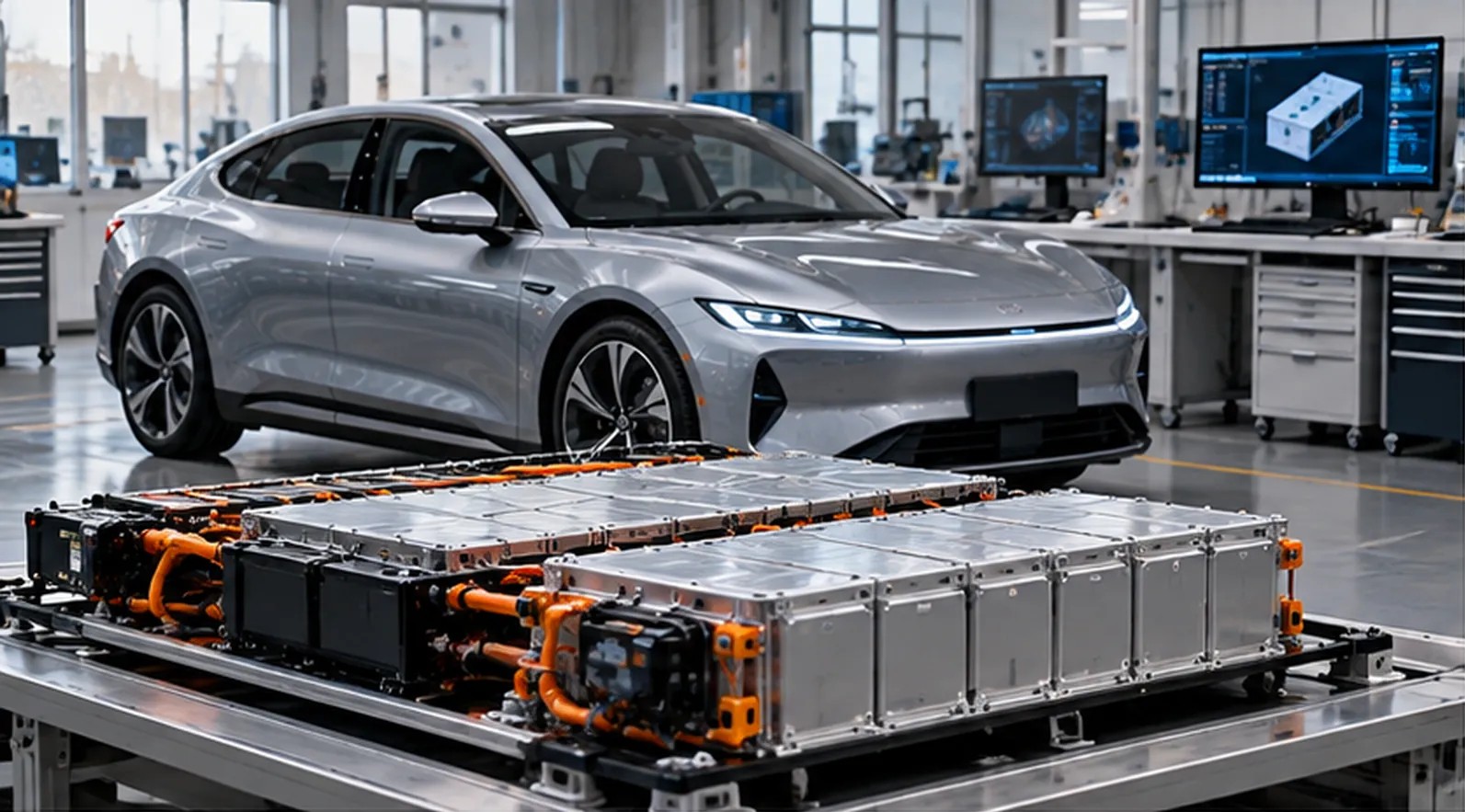
A different kind of battery is entering the electric-vehicle conversation in 2026. Sodium-ion EV batteries use sodium rather than lithium to move electrical charge, potentially offering automakers another way to build practical electric cars. Their biggest attractions include cold-weather performance, abundant raw materials, and a chance to diversify battery supply chains. But sodium-ion technology also comes with trade-offs, especially when it comes to energy density and long-distance driving range.
Chinese automaker Changan and battery manufacturer CATL unveiled a sodium-ion-powered passenger-car program in February 2026. In April, CATL described further progress toward large-scale Naxtra sodium-ion battery production. For shoppers interested in the future of EVs, the important question is not whether sodium-ion will replace every lithium battery. It is where this chemistry could make electric driving more accessible and reliable.
What Is a Sodium-Ion EV Battery?
Most electric cars today use some form of lithium-ion battery, including lithium iron phosphate (LFP) and nickel-rich chemistries. Sodium-ion batteries work on a broadly similar principle: ions travel between electrodes as the battery charges and discharges. Sodium ions replace lithium ions, requiring different materials.
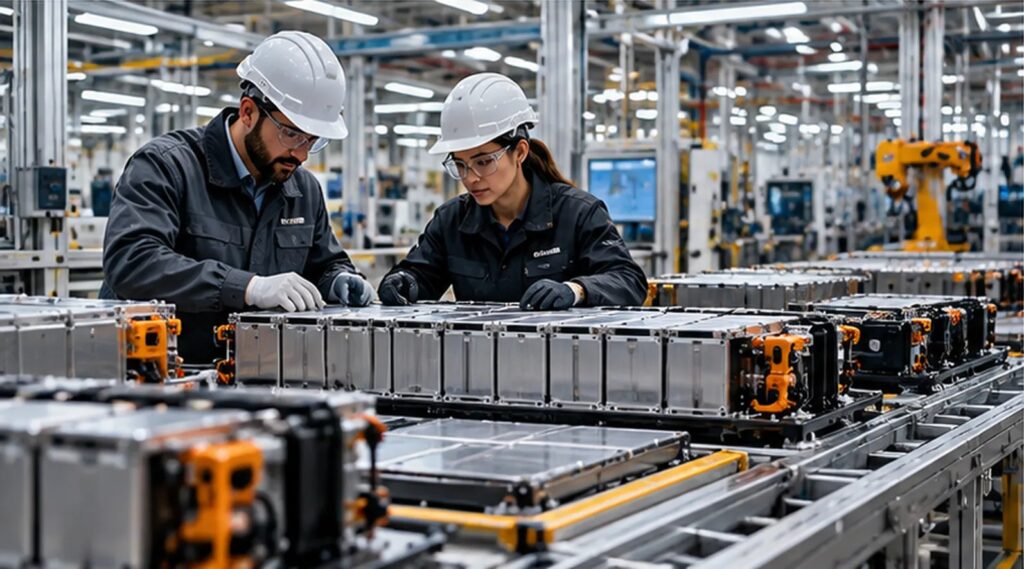
Sodium is widely available, which creates an opportunity to reduce dependence on lithium. However, a battery is more than one ingredient. Its cost and performance also depend on cathodes, anodes, electrolytes, manufacturing equipment, safety systems, and production scale. The International Energy Agency’s Global EV Outlook 2026 explains that sodium-ion is entering a scale-up phase but still has a much smaller manufacturing base than lithium-ion.
Why Sodium-Ion Batteries Are Trending in 2026
Three developments make this year especially important. First, CATL and Changan announced a mass-production-oriented sodium-ion passenger vehicle on February 5. Second, CATL said in its April 2026 technology update that it had overcome several sodium-ion manufacturing hurdles and was targeting full-scale Naxtra production by the end of 2026.
Third, battery standards are catching up. On September 9, SAE International issued J3335, a recommended practice describing common electrical, mechanical, and thermal testing procedures for sodium-ion propulsion cells. This provides another way to compare performance and safety.
Changan and CATL’s Sodium-Ion Electric Car
Changan’s Nevo A06 program is one of the clearest examples of sodium-ion moving toward passenger vehicles. CATL says its Naxtra technology can reach a cell energy density of up to 175 watt-hours per kilogram (Wh/kg). The companies have discussed a vehicle with a claimed electric range exceeding 400 kilometers, or roughly 249 miles, under a Chinese test cycle. That figure is a manufacturer target, not an independent real-world range result or a U.S. EPA estimate.
Changan has outlined plans to introduce the battery chemistry across multiple brands. Its official sodium-ion strategy announcement emphasizes validation in harsh winter conditions. Although early announcements anticipated a mid-2026 market launch, shoppers should distinguish a vehicle unveiling or production plan from independently confirmed retail availability in their country.
Can Sodium-Ion Batteries Perform Better in Winter?
Cold temperatures can reduce an EV battery’s available power and slow charging. Sodium-ion cells have shown promising low-temperature behavior, particularly compared with some LFP batteries. CATL reports that its Naxtra technology retains more than 90% of nominal capacity at minus 40 degrees Celsius under specified testing conditions, along with strong power delivery in extreme cold.
The IEA’s sodium-ion analysis also identifies cold climates as a potential sweet spot. Still, laboratory cell performance does not guarantee identical results in a complete vehicle. Cabin heating, tire choice, driving speed, battery management, and charging conditions all affect winter range. Buyers should wait for independent vehicle tests before assuming any sodium-ion EV will outperform every lithium-ion alternative.
Are Sodium-Ion Batteries Cheaper Than Lithium-Ion?
Potentially, but cheaper ingredients do not automatically produce a cheaper car. Sodium is plentiful, and sodium-ion designs can avoid lithium. Some chemistries also avoid expensive materials used in certain lithium-ion batteries. That could buffer some lithium-price volatility.
However, established LFP batteries already benefit from enormous factories, mature supply chains, and years of cost reductions. New sodium-ion plants need production volume, supplier networks, and consistent yields before their theoretical savings can reach showroom prices. The IEA notes that today’s sodium-ion supply chain remains small and highly concentrated. In other words, affordable sodium-ion electric cars are possible, not guaranteed.
Drivers comparing newer technologies can also read our guide to solid-state battery cars. Despite similar headlines about battery breakthroughs, solid-state and sodium-ion describe different technologies and solve different engineering problems.
Sodium-Ion vs. LFP vs. Nickel-Rich Batteries
Every battery chemistry involves compromises. LFP batteries are widely used in affordable EVs and are known for durability and comparatively low cost. Nickel-rich lithium-ion designs generally offer higher energy density, making them valuable for vehicles where weight and long range matter. Sodium-ion aims to compete in applications where material diversity and temperature performance carry greater value than maximum range.
- Sodium-ion: Promising cold-weather performance and reduced reliance on lithium, but typically lower energy density and a less mature supply chain.
- LFP lithium-ion: Well-established manufacturing, competitive costs, and broad use in mainstream electric vehicles.
- Nickel-rich lithium-ion: Higher energy density for longer-range applications, with different materials, costs, and supply-chain considerations.
In its 2026 battery comparison, the IEA cites sodium-ion cells reaching approximately 175 Wh/kg, compared with higher figures for leading LFP and nickel-rich cells. Those are cell-level comparisons; finished battery packs differ because of cooling systems, housings, electronics, and vehicle packaging.
Is Sodium-Ion Battery Technology Safer?
Battery safety depends on cell chemistry, pack design, cooling, software, and manufacturing quality. CATL reports that Naxtra passed China’s updated traction-battery safety requirements, including demanding tests at the cell and pack level. It described those results in its Naxtra safety certification announcement.
Those findings are encouraging, but no battery should be described as fireproof or immune to damage. Real-world outcomes also depend on installation, collision protection, charging equipment, and maintenance. Standards such as SAE J3335 help establish consistent test methods; they do not replace independent evaluation of complete vehicles.
Where Could Sodium-Ion EV Batteries Make the Most Sense?
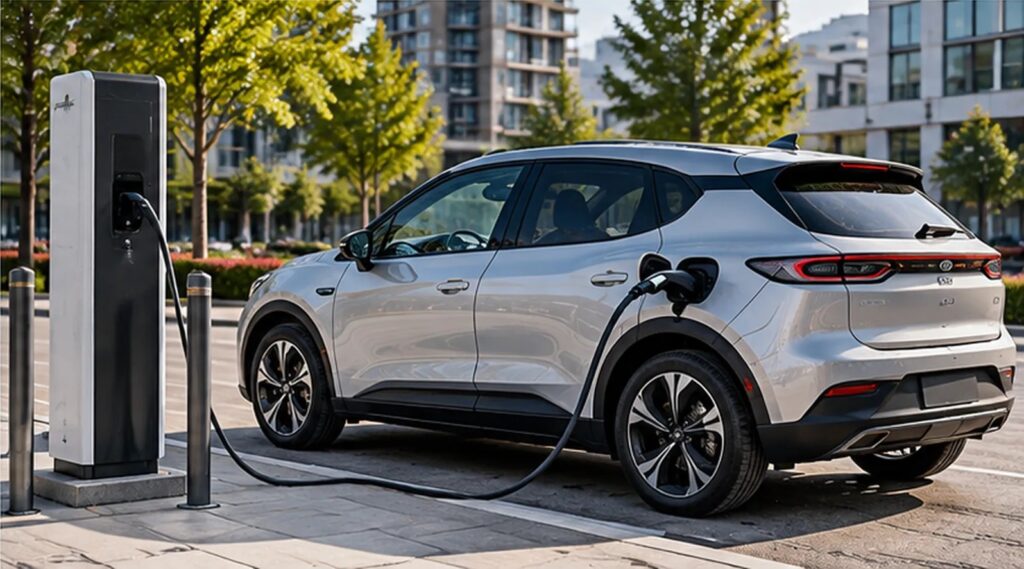
The first compelling applications may be affordable commuter cars, compact city EVs, delivery vehicles, and fleets that need predictable daily range. Sodium-ion could also support vehicles used in colder regions, where reliable power delivery is especially valuable. Some manufacturers are exploring combinations of sodium-ion and lithium-ion cells to balance strengths across temperatures and driving conditions.
Long-range luxury SUVs and performance cars may continue favoring more energy-dense lithium-ion packs. Drivers who routinely tow heavy trailers or travel through areas with sparse chargers could prefer other solutions, including the extended-range electric vehicles covered in our related article.
When Can Drivers Actually Buy a Sodium-Ion EV?
Market availability will vary by country. Changan and CATL’s plans center on China, where the battery supply chain is most developed. As of October 2026, their announcements should not be treated as confirmation that a sodium-ion car can be purchased through U.S., UK, or other international dealerships. Pricing, warranties, charging specifications, and independently measured range remain important details to verify for each model.
If you’re shopping for an EV now, choose based on vehicles that are actually available, supported, and serviceable in your market. Compare charging access, battery warranties, everyday range, and ownership costs. Our overview of electric vehicle developments in 2026 provides additional context about the broader market.
What to Watch Next
The key milestones are straightforward: independently verified vehicle range, production volumes, retail prices, battery warranties, and wider international availability. It will also matter whether manufacturers achieve competitive charging speeds and predictable battery life across years of use. Until those figures are available, the most dramatic claims deserve caution.
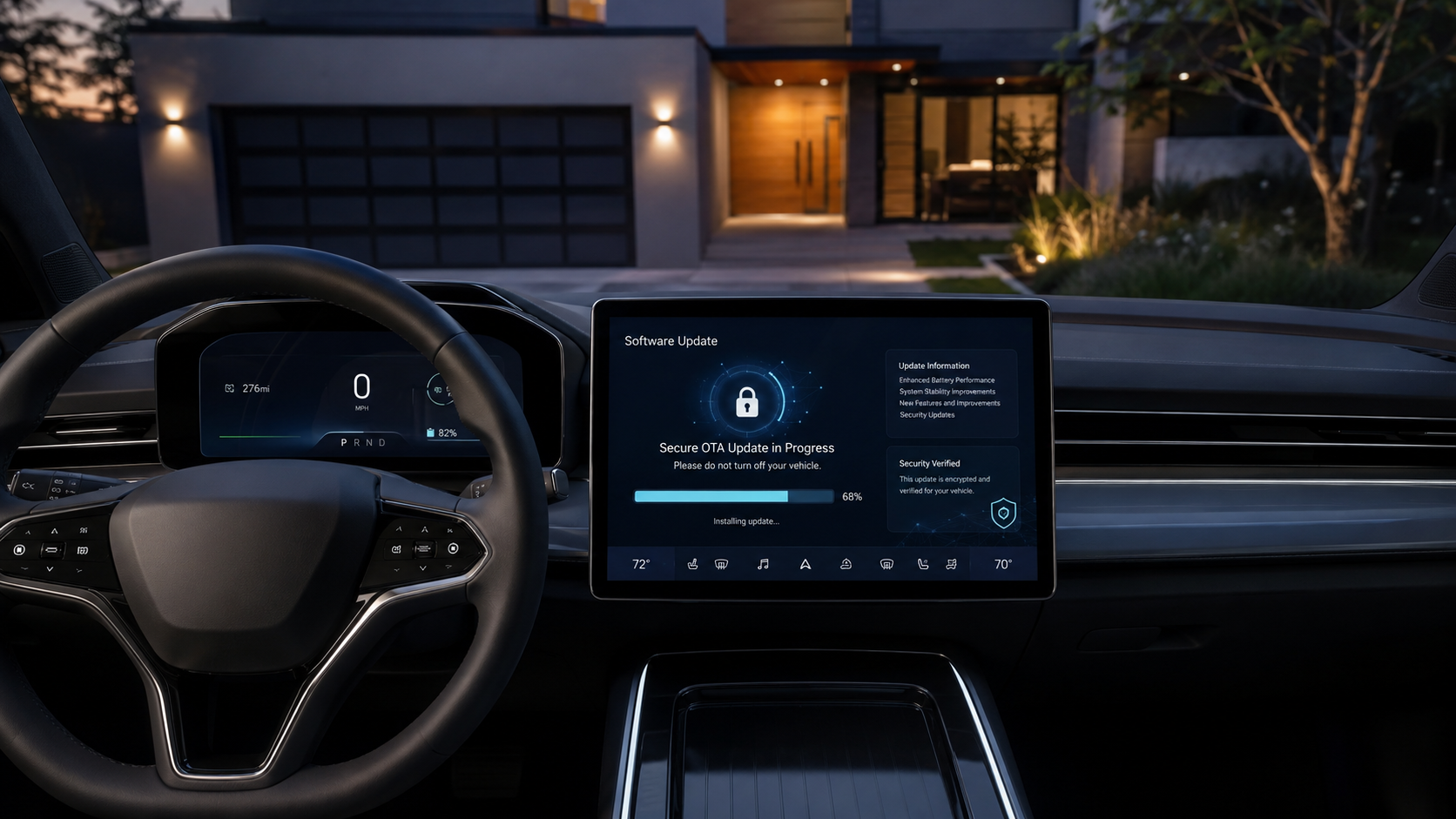
Sodium-ion batteries are unlikely to replace lithium-ion across the entire automotive market. A more realistic outcome is a mix of chemistries, with each serving the vehicles and conditions where it performs best. That approach is already visible as automakers explore multiple battery types alongside software improvements and new charging options. For another view of the digital changes reshaping EVs, see our article on software-defined cars and over-the-air updates.
Final Thoughts
Sodium-ion EV batteries in 2026 are worth watching because they could improve cold-weather performance, diversify battery materials, and eventually support more affordable electric vehicles. CATL and Changan have moved the discussion closer to passenger-car production, while the IEA and industry testing organizations are tracking the technology’s opportunities and limitations.
For now, the sensible outlook is optimistic but measured. Sodium-ion is becoming a credible addition to the EV battery lineup, not a universal replacement for lithium-ion. Success will depend on real-world performance, cost, and reliable production.