

The automotive industry is undergoing a massive transformation, and at the forefront of this revolution are Advanced Driver Assistance Systems. These innovative technologies are no longer just luxury add-ons; they are becoming essential components of modern vehicles. As we navigate the roads in 2026, understanding how these systems work and the benefits they provide is crucial for every driver. Whether you are considering purchasing a new car or simply want to stay informed about the latest automotive trends, this comprehensive guide will explain everything you need to know about these intelligent safety features.
Advanced Driver Assistance Systems represent a significant leap forward in automotive safety and convenience. The primary goal of these technologies is to eliminate accidents and save lives by minimizing human error, which remains the leading cause of road incidents worldwide. Distractions, driver fatigue, impaired visibility, and delayed reaction times contribute to thousands of accidents daily. By acting as a smart co-pilot, these systems help mitigate these risks, improving driver response times and overall situational awareness.
The Technologies That Power ADAS
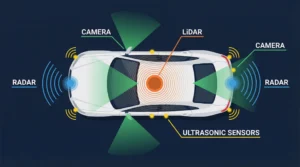
To fully appreciate the impact of these systems, it is helpful to understand the key technologies that power them. Every smart safety feature relies on a complex network of hardware and software working seamlessly together. These components constantly assess road conditions, allowing the vehicle to anticipate potential threats and assist the driver in avoiding them.
| Technology | Function | Benefit |
|---|---|---|
| Sensors | Detect objects near the vehicle using electromagnetic and ultrasonic waves. | Crucial for low-speed maneuvers like parking and navigating tight spaces. |
| Radar | Determine the distance and speed of surrounding vehicles. | Operates accurately even in low-light or adverse weather conditions. |
| Cameras | Identify lane markings, traffic signs, pedestrians, and other vehicles. | Provides visual data for systems like lane keeping assist and traffic sign recognition. |
| LiDAR | Create highly accurate 3D maps of the vehicle’s surrounding environment. | Offers precise object detection, typically found in more advanced vehicle models. |
| Artificial Intelligence | Process vast amounts of data in milliseconds to anticipate threats. | Enables the system to make split-second decisions to prevent accidents before they occur. |
Essential ADAS Features Every Driver Should Know
One of the most critical features you should be aware of is Automatic Emergency Braking. This system detects an impending crash and automatically applies the brakes if the driver fails to react in time. It is particularly effective in preventing rear-end collisions, which are among the most common types of road accidents. Furthermore, Lane Departure Warning and Lane Keeping Assist work together to ensure your vehicle stays safely within its designated lane. If the car begins to drift unintentionally, the system alerts the driver and can even gently steer the vehicle back into place. This significantly enhances highway safety and reduces driver fatigue during long journeys.
Another invaluable feature is Adaptive Cruise Control. Unlike traditional cruise control, this intelligent system automatically adjusts the vehicle’s speed to maintain a safe following distance from the car ahead. Consequently, drivers experience a much more relaxed and less stressful journey, especially when navigating heavy traffic. Additionally, Blind Spot Detection makes changing lanes significantly safer. Sensors monitor areas that cannot be seen using standard mirrors, providing visual or audio alerts when another vehicle approaches your blind spot.
Parking Assistance is often the first feature that drivers truly appreciate for its convenience. Navigating tight parking spaces becomes much easier with automated steering control, 360-degree camera views, and proximity sensors. Moreover, Driver Monitoring Systems add an extra layer of safety by tracking the driver’s attention levels through steering habits and eye movements. If the system detects signs of drowsiness or distraction, it will suggest taking a break, which is especially beneficial during extended road trips.
The Real-World Benefits of Advanced Driver Assistance Systems
The widespread adoption of these smart safety technologies brings numerous practical benefits to drivers and passengers alike. The most significant advantage is undoubtedly enhanced road safety. By detecting threats early and assisting with evasive maneuvers, these systems drastically reduce the number of collisions caused by human error. Furthermore, navigating through heavy traffic can be psychologically draining. Smart assistance functions handle repetitive tasks, allowing drivers to remain focused without feeling overwhelmed, thereby reducing overall driver stress.

Interestingly, the financial benefits of these systems extend beyond avoiding costly accidents. Insurance companies are increasingly recognizing the safety advantages of state-of-the-art driver aid systems. As a result, vehicles equipped with these features often qualify for lower insurance premiums. If you want to learn more about navigating insurance options, check out our guide on Car Insurance 101 What You Need to Know Before You Drive. Additionally, as more vehicles respond intelligently to road conditions, overall traffic flow improves. This smoother movement can lead to reduced fuel consumption and lower emissions, benefiting both the driver’s wallet and the environment. <!–
ADAS and Your Next Car Purchase
When considering your next vehicle purchase, it is important to factor in the long-term value of these technologies. Cars equipped with modern safety features are in high demand, making them more desirable in the resale market. Therefore, investing in a vehicle with comprehensive safety systems can result in a higher resale value down the line. For more advice on selecting the right vehicle, read our article on How to Choose the Perfect Car for Your Driving Style.
As urban populations grow and roads become more congested, the importance of these systems cannot be overstated. The technology represents a shift towards proactive defense rather than reactive driving. Instead of merely reacting to hazards, vehicles now actively assist in preventing them. This transition is crucial for improving overall road safety and ensuring that drivers are better equipped to handle the challenges of modern driving.

Staying Informed About ADAS Developments
To stay informed about the latest developments in automotive safety, it is helpful to consult reliable sources. Organizations like the National Highway Traffic Safety Administration (NHTSA ) provide extensive information on driver assistance technologies and their impact on vehicle safety. Additionally, the Insurance Institute for Highway Safety (IIHS ) conducts rigorous testing and research on these systems, offering valuable insights into their effectiveness.
For those interested in the technical aspects of these innovations, publications such as Motor Trend frequently cover the latest advancements in automotive technology. Furthermore, understanding how these systems affect vehicle maintenance and repair is essential. Resources like Motor Magazine discuss the evolving landscape of auto repair in the age of smart vehicles. Finally, staying updated on industry trends through platforms like S&P Global Mobility can provide a broader perspective on the future of automotive manufacturing and technology adoption.
Conclusion
In conclusion, Advanced Driver Assistance Systems are revolutionizing the way we drive. By leveraging cutting-edge technologies like sensors, radar, cameras, LiDAR, and artificial intelligence, these systems provide unprecedented levels of safety and convenience. From Automatic Emergency Braking to Adaptive Cruise Control, each feature plays a vital role in protecting drivers, passengers, and pedestrians. As these technologies become increasingly standard, embracing them is not just a matter of convenience; it is a long-term investment in personal safety and peace of mind on the road. Whether you are navigating busy city streets or embarking on a cross-country road trip, having a smart co-pilot can make all the difference. For more tips on handling challenging driving conditions, be sure to review our guide on How To Stay Safe While Driving In Bad Weather.